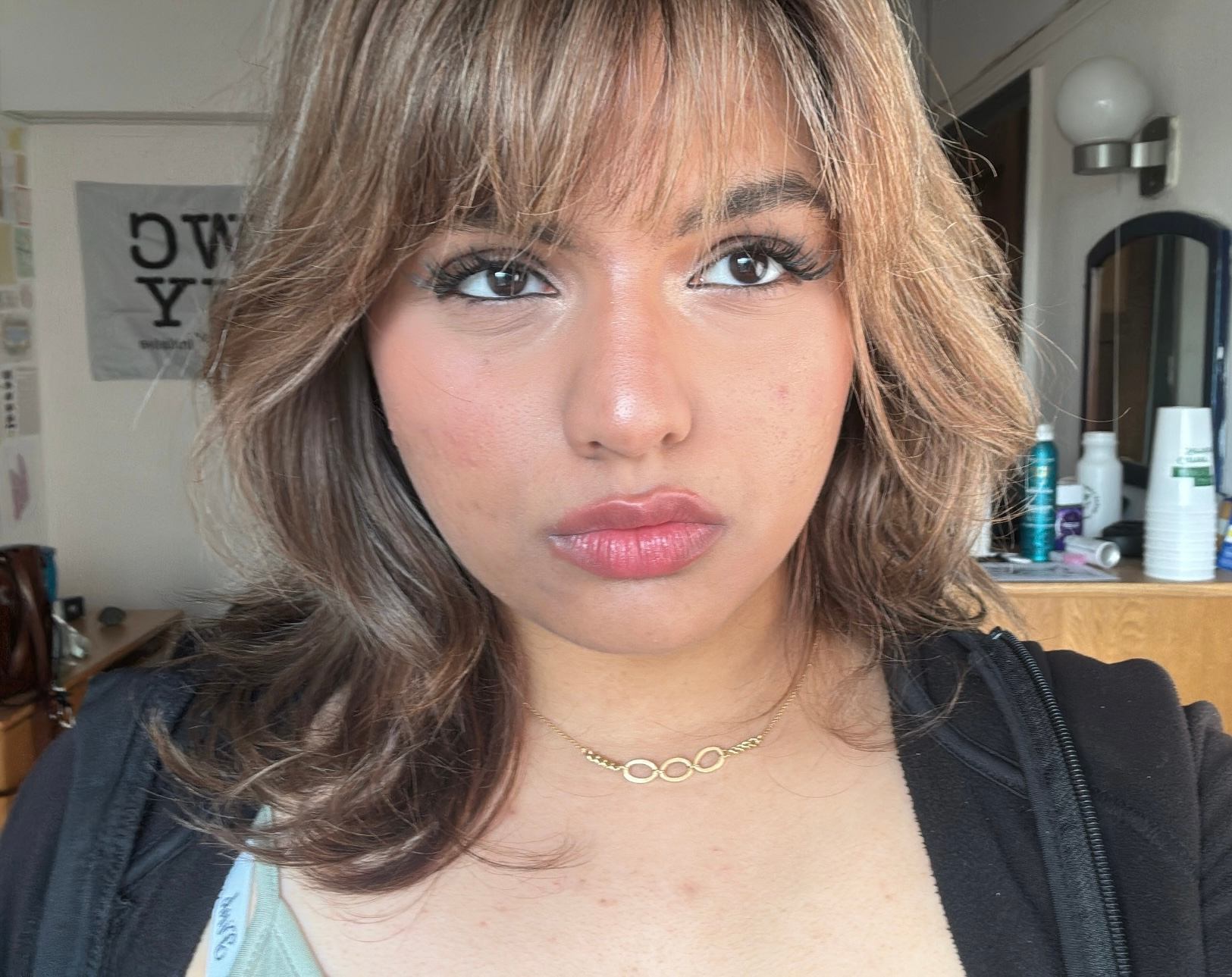
I'm a second year on track to complete my degree at Sarah Lawrence in three years.
Between academia, work experience, and simply interaction, I've realised that I like systems, but I love people! It shouldn't be a surprise why I chose to concentrate in History and Computer Science.
I'm interested in roles that intersect with my passions of people and data!
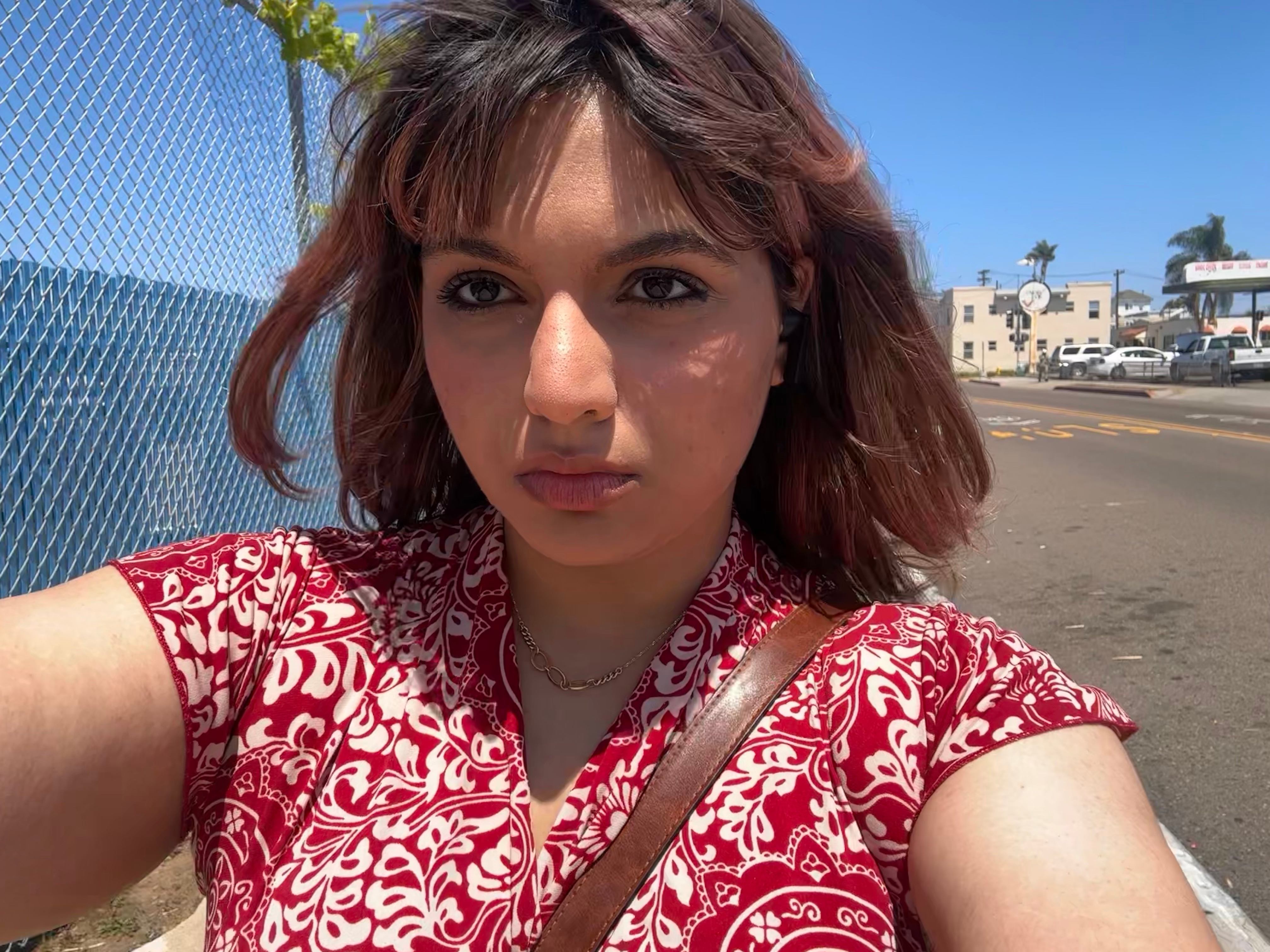
manahil, 2025
The day before my nineteenth birthday, I walked into my internship at a nonprofit with a quiet sense of dread. I didn’t want to spend another day doing data entry. I was a ghost in the machine, updating a database from 9:30 am to 4:00 pm. I could see the inefficiency of the system, but couldn’t feel the real-world impact.
But something was different that day. the immigration specialist at the desk beside mine had just been assigned a new family, afghan refugees. Normally, I wouldn’t have much to contribute. but this time, the family had spent years in Pakistani refugee camps. the teen daughters were born and brought up in Peshawar.
They spoke urdu.
Suddenly, I had something to offer.
Translating that morning changed my life. Through that process I understood that if I want my life's work to be fulfilling, it has to be hands-on. I need to see results from my work, which could come in many ways. it could be...
⭐ the gratitude from the family who said I'd really helped that day.
⭐ a sigh of relief from employees when I revamp the case management system.
Either way, it's something I carry as I move through life. That moment, where language and empathy became the most important tools in the room, is why I now build other kinds of tools. It’s why I study computer science alongside history: to build systems that see the people within them and to tell the stories that data alone can’t.
Today, my work is dedicated to that intersection- using data to illuminate the stories of transitional communities and building technology that serves humanity, one person at a time.
guiding principle
absorbing knowledge to build a life of service
goal 1: build deep, interdisciplinary knowledge
commit to lifelong learning across history, technology, and policy to understand the systems that shape people’s lives.
goal 2: translate learning into public understanding
communicate complex ideas clearly and accessibly through writing, teaching, or design.
goal 3: work in service of marginalized or transitional communities
use your skills in research, storytelling, or systems-thinking to support those in flux: migrants, youth, stateless peoples.